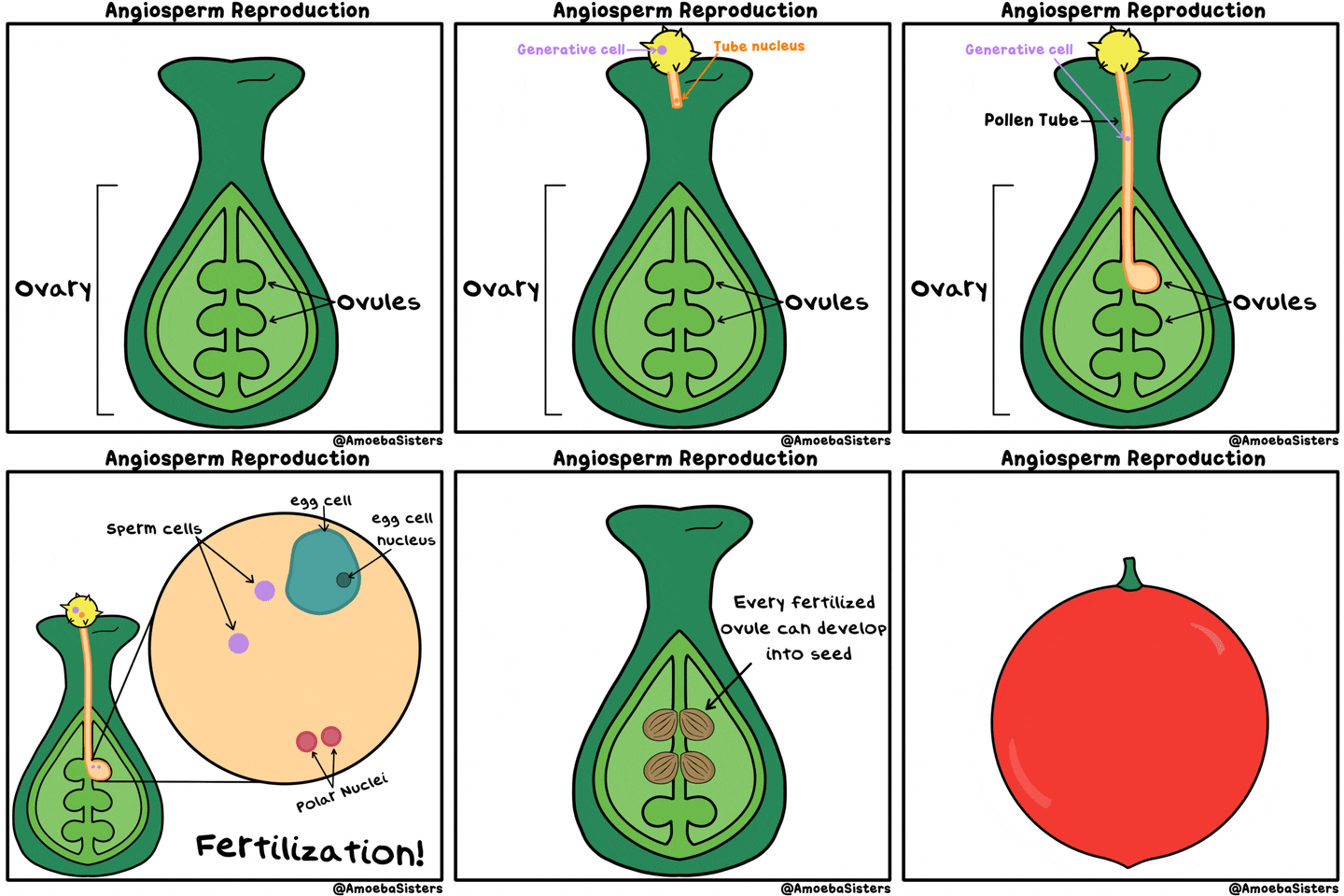
Look at the diagram about plants. Think of the missing words. Then, in your notebook, write complete sentences using the information available.

1. Parts of a plant.
Most plants have three parts: the roots, the stem and the leaves.

2. Classification of plants.

3. Plant nutrition.
A. Photosynthesis:
Photosynthesis is the process by which green plants make their own food.


- Elaborated sap: savia elaborada.
- Xylem vessels: vasos leñosos o xilema.
- Phloem vessels: vasos liberianos o floema.
- Stomas: estomas.
B. Respiration

C. Nutrition and respiration in the day and at night.

Video2: https://youtu.be/yHVhM-pLRXk
Video 3: https://youtu.be/3pD68uxRLkM
4. Sexual reproduction in plants.
A. Reproduction in flowering plants.
It takes place inside the flower. Flowers are the reproductive organs in most plants and have male and female reproductive organs.

*Pistil: pistilo /stigma: estigma /style: estilo /ovary: ovario / ovule: óvulo
Videos:
- Sexual Reproduction in Flowering Plants: https://youtu.be/CkBNEM2mD30
- Plant reproduction: Pollination and fertilisation: https://youtu.be/YqM6rgB_l_o
- Parts of a flower and Pollination | The Dr. Binocs Show: https://youtu.be/djPVgip_bdU
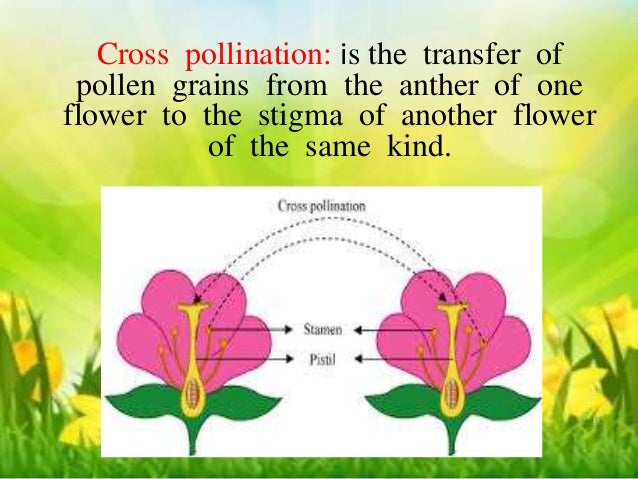
Wind, insects and other agents can accidentally transport pollen from one flower to another.
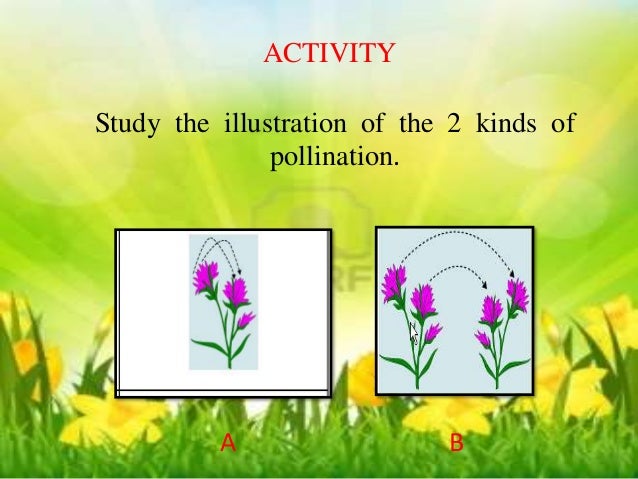
There are two types of pollination:
- Self-pollination (auto-polinización).
- Cross-pollination (polinización cruzada).
B. Reproduction in non-flowering plants:
Non-flowering plants don´t have flowers or seeds. So, they use spores to reproduce. Ferns reproduce this way.
5. Asexual reproduction in plants.
Many plants that grow flowers and seeds can also reproduce through fragmentation. In fragmentation, a new plant grows from a fragment of the parent plant.
There are different types of fragments in asexual reproduction:
- Stolons (estolón).
- Tubers (tubérculos).
- Bulbs (bulbos).
- Rhizomes (rizomas).
- Cuttings.